
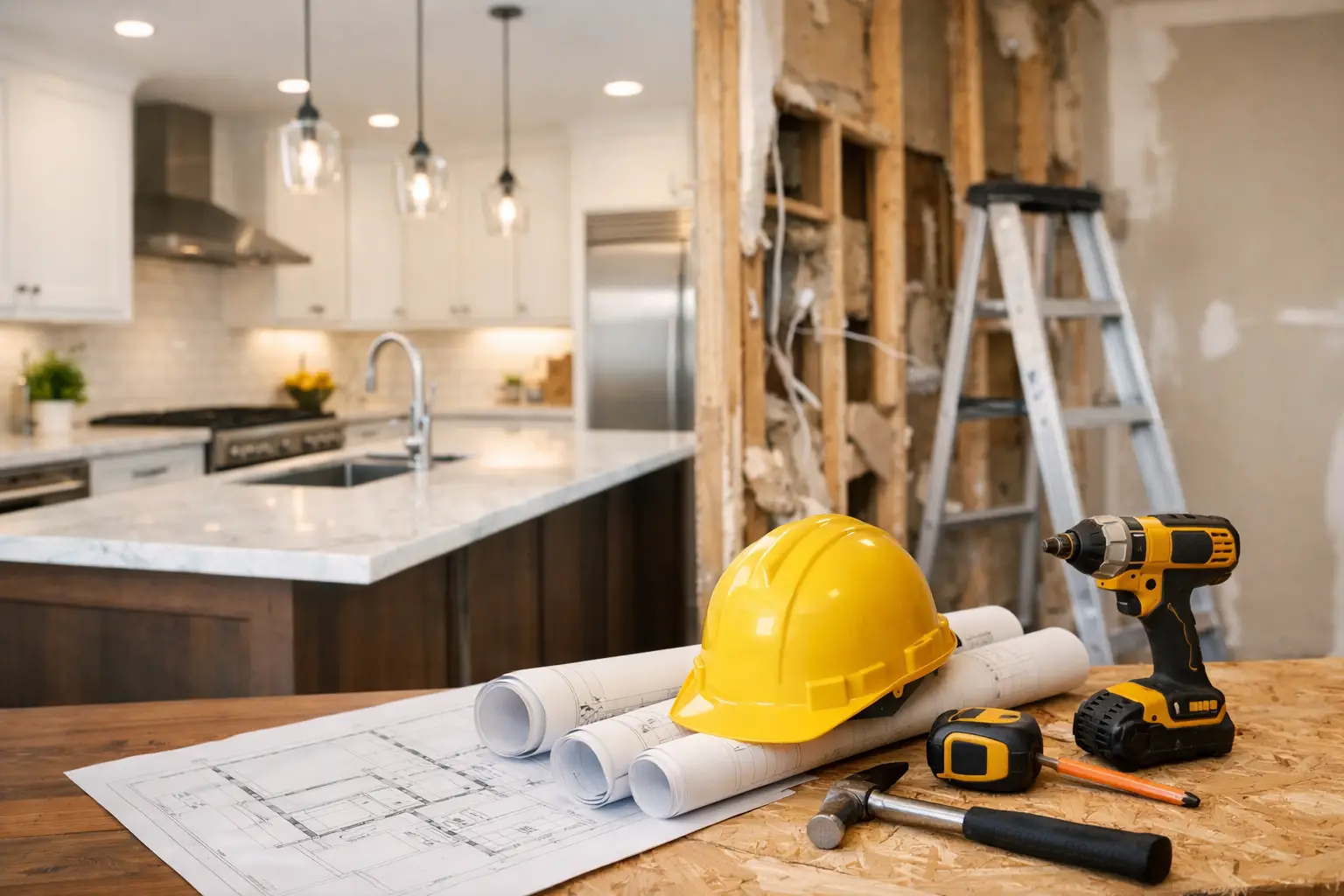
Sticker shock usually happens before the first cabinet comes out. A homeowner starts with a simple question – what does remodeling cost – and quickly finds answers that range from surprisingly low to wildly unrealistic. The truth is that remodeling costs depend on scope, materials, layout changes, labor, and the condition of the home itself. In the Sacramento area, where homes vary from older properties with aging systems to newer homes ready for style upgrades, pricing can shift fast once a project moves from idea to actual plan.
The good news is that cost does not have to feel mysterious. When pricing is handled with transparency, homeowners can make smart decisions, protect their investment, and choose improvements that genuinely improve daily life.
What does remodeling cost for most homeowners?
The most honest answer is: it depends on what you are remodeling and how far you want to go. A cosmetic update costs far less than a full renovation that changes plumbing, electrical, walls, or layout. The same kitchen can land in very different price ranges depending on whether you are keeping the footprint or rebuilding it around a new island, custom cabinetry, and premium finishes.
For many Sacramento-area homeowners, bathroom remodels often start in the tens of thousands, kitchens usually cost more because they combine cabinetry, appliances, countertops, plumbing, electrical, and finish work, and whole-home remodeling can range much higher depending on square footage and structural changes. Additions are another category entirely because they involve foundation, framing, roofing, insulation, HVAC, and permits on top of interior finishes.
This is why online averages only help so much. They can give you a rough starting point, but they cannot account for your home, your goals, or the real conditions behind the walls.
The biggest factors that shape remodeling cost
Scope is the first major driver. If you are replacing finishes in the same locations, the project is simpler and more affordable than moving sinks, showers, appliances, or walls. Layout changes almost always increase labor, planning, and inspection requirements.
Material selection is another major piece of the budget. Stock cabinets and builder-grade tile create a very different price than custom cabinetry, natural stone, designer fixtures, and premium flooring. Neither approach is automatically right or wrong. It comes down to how long you plan to stay in the home, how hard the space is used, and what level of finish matches the rest of the property.
The age and condition of the home matter more than many homeowners expect. Older homes in areas around Sacramento, Davis, or older parts of Roseville may need electrical updates, plumbing corrections, subfloor repair, or code-related improvements once demolition begins. These are not glamorous line items, but they are often necessary for a safe, durable result.
Permits, design, and project management also affect total cost. A well-run remodel includes planning, coordination, scheduling, inspections, and quality control. That professional oversight adds value because it reduces delays, avoids mistakes, and keeps the process moving in a more predictable way.
Kitchen remodeling costs: why kitchens add up quickly
Kitchen remodels tend to be one of the biggest investments in the home because so many trades overlap in one space. Cabinets alone can represent a large share of the budget, especially when homeowners want more storage, better organization, taller uppers, or an upgraded island. Countertops, backsplash, lighting, appliances, flooring, paint, and finish carpentry follow close behind.
If you keep the kitchen layout mostly the same, costs are easier to control. Once you start relocating plumbing, adding gas lines, changing electrical capacity, or opening walls to create a more open concept, the budget typically rises. That does not mean those changes are not worth it. In many homes, the best long-term improvement is not a prettier kitchen but a more functional one.
For families who cook often, entertain regularly, or need better flow between the kitchen and living area, investing in layout and storage can deliver value every day. A lower-cost cosmetic refresh may look nice, but it may not solve the reasons the kitchen feels frustrating in the first place.
Bathroom remodeling costs: smaller room, detailed work
Bathrooms are smaller than kitchens, but they are not always inexpensive. In fact, bathrooms can be labor-intensive because waterproofing, plumbing, tile work, ventilation, and fixture installation all need to be done correctly. A straightforward hall bath update will usually cost less than a primary bathroom renovation with a larger shower, glass enclosure, double vanity, custom tile, and upgraded lighting.
One of the biggest pricing differences comes down to whether you are keeping the existing layout. Leaving the toilet, shower, and vanity in place is usually more budget-friendly. Expanding the shower, moving drains, or improving accessibility with a curbless entry or custom storage adds complexity but can dramatically improve comfort and usability.
Bathrooms are also a place where quality matters. Cheaper waterproofing systems or rushed tile work may lower the initial price, but they can create much bigger repair costs later. Homeowners are often best served by focusing on durable materials and skilled installation rather than chasing the lowest number.
Whole-home remodeling and additions
When homeowners ask what does remodeling cost, they are sometimes thinking bigger than one room. Whole-home remodeling involves more moving parts because multiple areas are being updated at the same time, often while addressing flooring continuity, paint, lighting, trim, doors, and sometimes major system upgrades.
The advantage is that a whole-home plan can create a consistent result and avoid the patchwork effect of remodeling one room at a time over several years. The trade-off is a larger upfront investment and more planning. If the home has an outdated layout, insufficient storage, worn finishes, or rooms that no longer support the family’s needs, a larger renovation may make more financial and practical sense than piecemeal updates.
Additions require an even bigger budget because they create new conditioned space. That means foundation work, framing, exterior integration, roofing, windows, insulation, HVAC extension, and interior finish work. The cost per square foot is often higher than homeowners first expect, especially when matching an existing home with care and quality.
How to set a realistic remodeling budget
Start with priorities, not products. Before choosing tile or cabinet colors, decide what matters most. Are you trying to improve function, increase storage, modernize the look, create more space, or prepare the home for long-term living? Clear priorities help prevent overspending on details that look good but do not solve the real problem.
It also helps to separate must-haves from nice-to-haves. That gives you room to protect the core goals of the project while making smart adjustments if pricing comes in higher than expected. For example, you might prioritize better cabinetry and layout in a kitchen while saving a luxury appliance package for a later phase.
A contingency matters too, especially in older homes. Once demolition starts, hidden issues can appear. Setting aside extra funds helps you handle necessary repairs without derailing the project.
Why bids can vary so much
If you receive multiple remodeling estimates, the numbers may be far apart. That does not always mean one contractor is overpriced and another is a bargain. Sometimes they are pricing different scopes, different quality levels, or different assumptions about what is included.
One estimate may cover design support, permits, debris removal, finish carpentry, and higher-grade materials, while another may leave some of those items out. This is why clear, itemized proposals matter. A lower bid can become far more expensive if change orders pile up or workmanship falls short.
A dependable remodeling partner should be able to explain the cost, identify where trade-offs are possible, and help you align the project with your budget without sacrificing the essentials.
Remodeling for value, not just price
The best remodel is not always the cheapest one. It is the one that fits your home, your lifestyle, and your long-term plans. In neighborhoods throughout Sacramento, Rocklin, Folsom, and El Dorado Hills, homeowners often see the strongest returns when upgrades improve both daily function and overall appeal.
That might mean a kitchen designed around how your family actually uses it, a bathroom that feels easier and more comfortable every morning, or a broader renovation that makes an older home work like a newer one without losing its character. Thoughtful planning, transparent pricing, and quality craftsmanship make that kind of investment far more predictable.
At Everest Home Solutions, that is the standard homeowners should expect from the remodeling process. When you understand what is driving the cost and why, it becomes much easier to choose improvements with confidence.
A remodel should leave you with more than updated finishes. It should give you a home that feels better to live in, and a budget you understood from the start.