
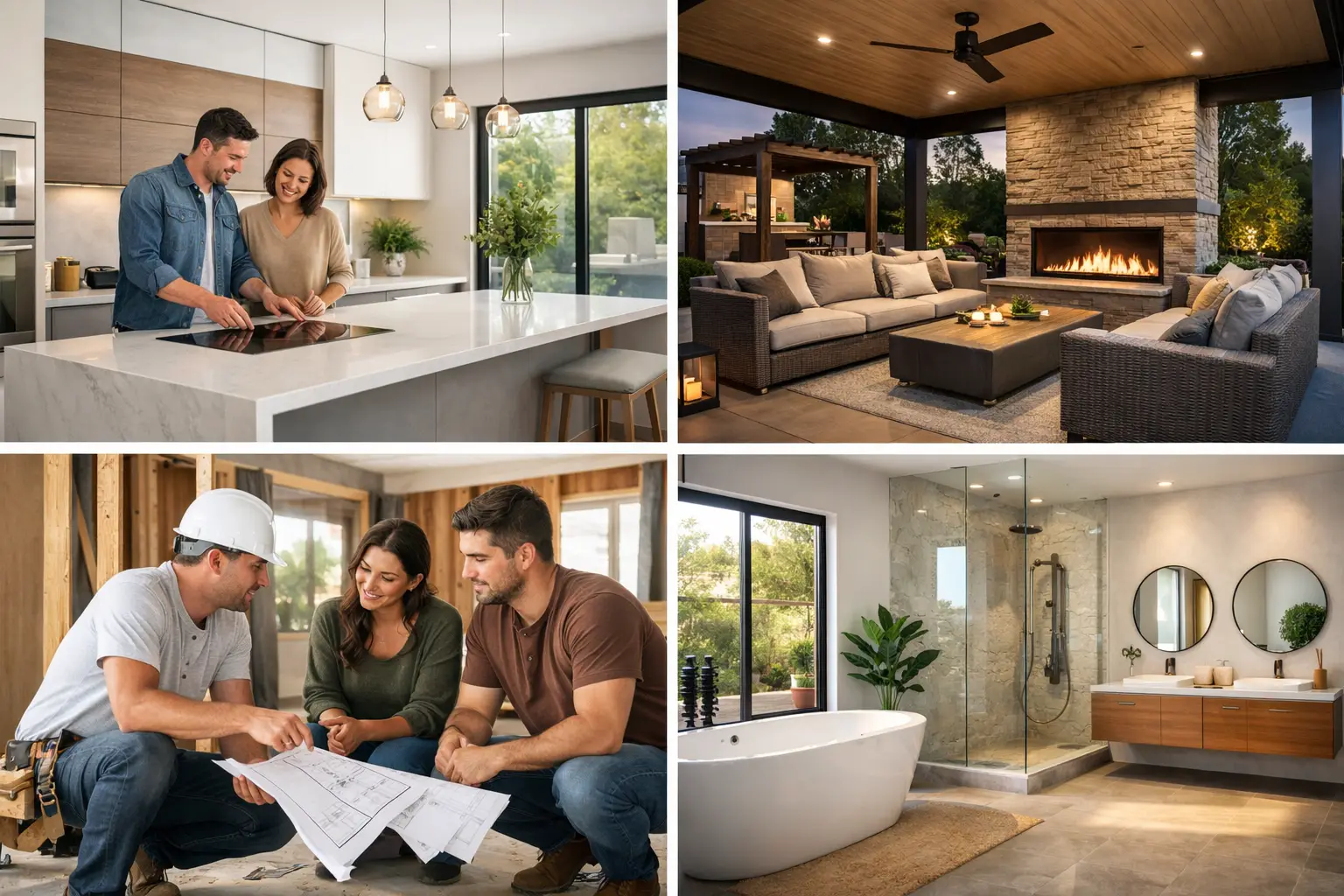
If your home still works but no longer feels like it fits your life, you are not alone. The biggest home remodeling trends 2026 homeowners are asking for are less about chasing flashy design and more about making everyday living easier, more comfortable, and more efficient.
That shift matters in the Sacramento area, where many homeowners are staying put longer and choosing to improve what they have instead of moving. Families need kitchens that handle busy mornings, bathrooms that feel calmer and function better, and layouts that adapt to work, hosting, and changing routines. The strongest remodeling choices for 2026 reflect that reality.
Home remodeling trends 2026 are getting more personal
For years, remodeling was often driven by resale language alone – neutral finishes, broad appeal, safe choices. That approach still has its place, but homeowners are now much more focused on how a home performs for the people living in it every day.
That does not mean every project is highly customized or expensive. It means people are asking better questions. Will this kitchen be easier to clean? Does this bathroom support aging in place? Can this layout handle both family dinners and quiet work time? Those questions are shaping design decisions more than trend boards alone.
A good remodel in 2026 is not just attractive. It should solve a real problem, hold up over time, and feel right for the household using it.
1. Kitchens are becoming warmer and less showroom-perfect
All-white kitchens are not disappearing overnight, but they are giving way to spaces with more contrast, texture, and character. Homeowners are leaning toward warmer wood tones, painted cabinets in softer earthy colors, and a mix of materials that feels lived in instead of overly polished.
This is one of those trends where balance matters. A kitchen still needs to feel bright and timeless, especially if resale is part of the equation. But warmth now carries more value than a stark, ultra-minimal look. Natural wood accents, textured tile, and stone with visible movement can make a kitchen feel more welcoming without making it feel trendy in a short-term way.
Many homeowners are also asking for better kitchen flow rather than just more features. Larger islands remain popular, but only when they improve circulation and provide useful prep or seating space.
2. Smart storage is replacing empty square footage
Bigger is not always better. One of the clearest home remodeling trends 2026 is the move toward smarter use of space instead of simply adding more of it.
That shows up in kitchens with deep drawers for cookware, appliance garages that reduce counter clutter, pantry storage designed around actual grocery habits, and built-ins that make daily routines easier. In bathrooms, it means recessed niches, better vanity storage, and linen solutions that keep essentials close without making the room feel crowded.
This trend works especially well in established homes where square footage may be fixed, but function can improve dramatically. Well-planned storage tends to pay off every day, which is why it often matters more than decorative upgrades alone.
3. Bathrooms are moving toward comfort, not excess
Luxury bathroom design is becoming less about oversized features and more about comfort, ease, and calm. Homeowners still want a beautiful space, but they are often choosing improvements that support daily routines over dramatic statement pieces.
Walk-in showers continue to lead demand, especially with cleaner lines, larger format tile, and low-threshold entries. Double vanities remain popular in primary bathrooms, though more homeowners are prioritizing usable drawer storage and counter space instead of simply fitting in two sinks.
There is also growing interest in subtle aging-in-place features. That might mean a wider shower opening, better lighting, a built-in bench, or slip-resistant flooring that blends into the design. These choices do not make a bathroom feel clinical. Done well, they make it more practical for the long term.
4. Durable materials are winning over delicate finishes
Homeowners are thinking harder about maintenance. That is especially true for families, busy professionals, and anyone who has already learned that some beautiful materials are difficult to live with.
In 2026, durable countertops, easy-care flooring, quality cabinetry, and moisture-resistant bathroom materials are getting more attention than finishes that look good only in photos. That does not mean sacrificing style. It means choosing materials that can handle real use while still supporting a polished result.
This is where expert guidance matters. The right material for one household may not be the right fit for another. A family with young kids, pets, and heavy kitchen use will likely make different choices than empty nesters remodeling for lower maintenance and long-term comfort.
5. Natural light and layered lighting are both priorities
Lighting is no longer treated as a finishing touch. Homeowners are recognizing how much it affects mood, function, and the overall feel of a remodeled space.
In kitchens, that often means combining recessed lighting with pendants and under-cabinet lighting for better visibility. In bathrooms, layered lighting around mirrors and shower areas helps the space work better at different times of day. Throughout the home, there is more interest in maximizing daylight where possible and avoiding dark corners or overly harsh overhead lighting.
The trade-off is that lighting plans need to be intentional from the start. Good lighting is rarely the result of one fixture choice. It is part of the layout, finish selections, and how the room is used.
6. Flexible layouts are replacing single-purpose rooms
Many homeowners no longer want rooms that sit unused for most of the year. They want spaces that can shift with everyday life.
That may mean opening up a dated floor plan to improve connection between kitchen, dining, and living areas. It may also mean creating a quiet office nook, improving a mudroom drop zone, or reworking underused square footage into something that better supports family life.
Open-concept layouts are still popular, but not in the all-or-nothing way they once were. People want openness with definition. Partial walls, wider openings, islands, and thoughtful transitions can create better flow without losing every bit of privacy or storage.
7. Color is returning, but in a grounded way
Homeowners are moving beyond flat gray and stark black-and-white palettes. In their place, warmer neutrals, muted greens, soft blues, clay tones, and natural wood finishes are showing up in kitchens, bathrooms, and whole-home remodels.
The key difference is restraint. These colors are being used to add depth and personality, not to overwhelm the space. A painted vanity, a rich cabinet color on an island, or textured tile in a warm tone can make a home feel more current while still feeling timeless.
This is one area where personal taste should lead, but context matters too. The best color choices work with the home’s architecture, lighting, and surrounding finishes.
8. Energy efficiency is becoming part of the remodeling conversation
Energy-conscious remodeling is no longer limited to major green building projects. More homeowners are asking how a renovation can improve comfort and reduce waste at the same time.
That may include better-insulated windows during a larger remodel, upgraded ventilation, water-saving fixtures, LED lighting, or appliances that perform more efficiently. In kitchens and bathrooms, these choices often make practical sense because the project already involves replacing fixtures, finishes, or systems.
For Sacramento-area homeowners, comfort through seasonal temperature swings is a real consideration. Energy-efficient choices can support a more comfortable home, but the best return usually comes from selecting upgrades that fit the scope of the project rather than forcing every possible efficiency feature into the budget.
9. Craftsmanship is becoming more visible
As trends move toward warmth and texture, the quality of the work stands out more. Clean tile lines, precise cabinetry installation, well-finished trim, and thoughtful transitions between materials have a bigger impact when the design itself is not trying to hide behind flashy statements.
That is one reason homeowners are placing more value on remodeling partners who communicate clearly, set expectations upfront, and deliver quality work consistently. A strong design matters, but the execution is what makes the space feel finished and dependable years later.
Premium materials also tend to perform better when they are installed correctly. Good craftsmanship protects the investment.
10. Remodeling is being planned for the long term
The most meaningful trend may be this one: homeowners are making remodeling decisions with a longer timeline in mind. Instead of asking what will look current for the next year or two, they are asking what will still feel useful and attractive five to ten years from now.
That leads to smarter choices. Better layouts over novelty. Durable finishes over fragile ones. Quality over shortcuts. Personalized design, but with enough restraint to age well.
For many households, this is not about creating a perfect dream home all at once. It is about making strategic upgrades that improve daily life, protect property value, and reduce the frustration of living with spaces that no longer work.
A well-planned remodel should make your home feel easier to live in from the moment the project is complete. If you are thinking about remodeling in 2026, the best place to start is not with what is trending online. It is with what feels off in your home right now, and what would make it work better for the way you actually live.