
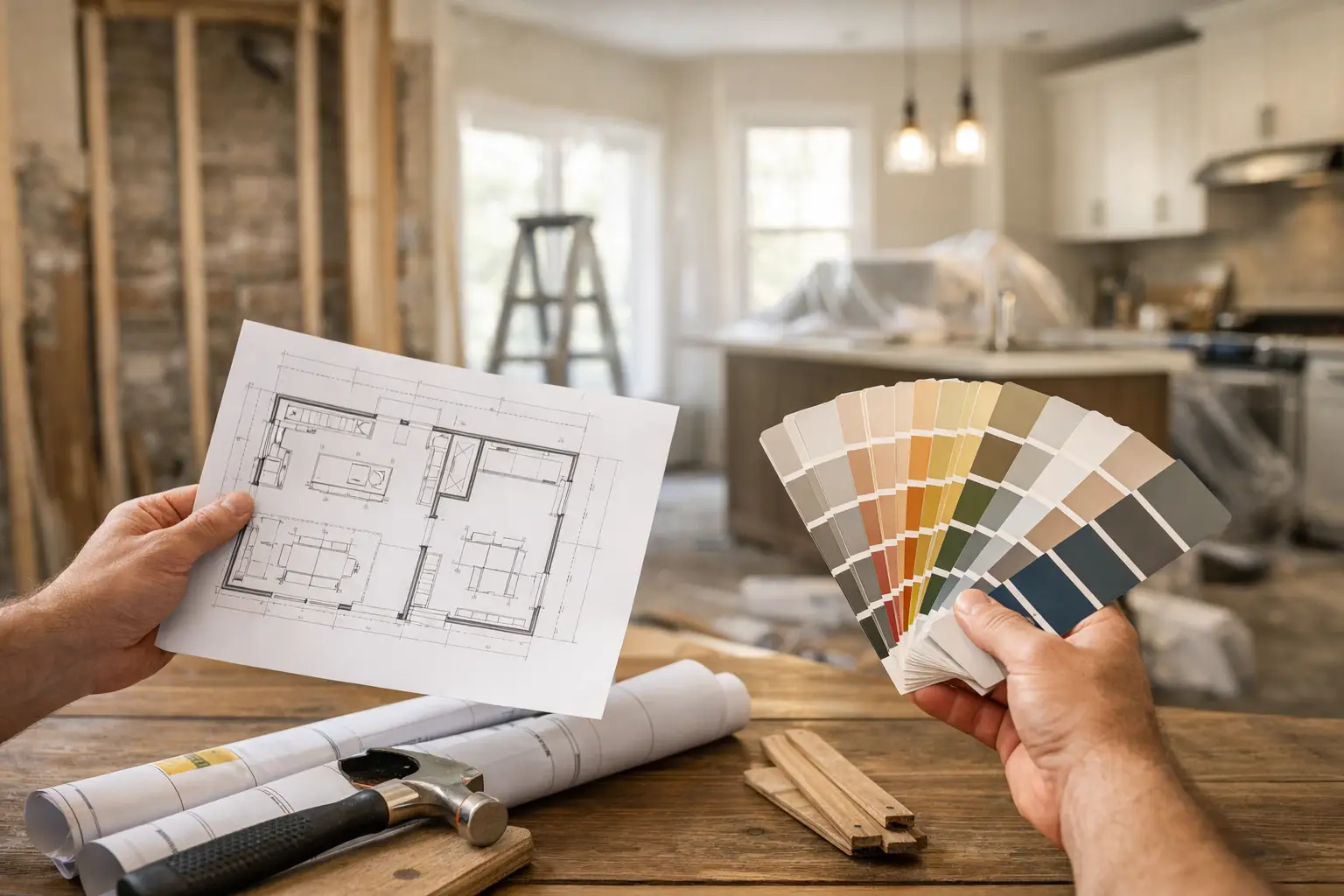
A remodel gets real the moment your daily routine is about to change. Maybe the kitchen will be offline for weeks. Maybe the primary bathroom is coming down to the studs. Maybe your home needs a better layout, not just new finishes. If you are wondering how to prepare for remodel work without unnecessary stress, the answer starts well before demolition day.
Good preparation protects your budget, your timeline, and your peace of mind. It also gives your contractor a better chance to deliver a smoother process from the first day on site. For homeowners in Sacramento, Roseville, Rocklin, Folsom, Granite Bay, Davis, and El Dorado Hills, that often means planning around work schedules, school routines, and the realities of living through construction in an established home.
Start with clear goals before you choose finishes
The most common mistake homeowners make is getting attached to materials before defining the purpose of the remodel. A beautiful kitchen is not enough if the layout still feels cramped. A larger shower does not solve the problem if storage is still missing. Before you start selecting tile, paint, or hardware, get specific about what needs to improve.
Ask yourself what is not working today. It may be poor traffic flow, outdated surfaces, limited storage, low lighting, or a room that no longer fits your family. Then separate needs from preferences. That distinction matters when pricing comes in and decisions need to be made quickly.
This step is especially important in older Sacramento-area homes, where remodeling often uncovers hidden issues like aging plumbing, worn subfloors, or outdated electrical systems. If your goals are clear from the start, it becomes easier to decide where to invest and where to stay practical.
Build a realistic budget, not an optimistic one
If you want to know how to prepare for remodel projects in a way that prevents frustration, start by treating your budget as a planning tool rather than a wish list. A good remodeling budget should include not only the visible finishes, but also labor, permits, design, demolition, and a contingency for the unknown.
In many homes, especially those that have not been updated in years, conditions behind the walls can affect cost. That does not mean you should expect the worst. It does mean you should leave room for surprises. A contingency of 10 to 20 percent is often wise, depending on the age of the home and the scope of work.
It also helps to decide early where premium materials truly matter. Homeowners often get the best long-term value by investing in cabinetry, waterproofing, flooring durability, and quality installation rather than spending heavily on every decorative detail. There is always a balance between appearance and performance, and the right choice depends on how you use the space.
Choose your contractor before the pressure sets in
Preparation is not only about your home. It is also about choosing the right remodeling partner. This decision affects communication, scheduling, craftsmanship, and how problems are handled when they arise.
Look for a contractor who listens carefully, explains the process clearly, and provides transparent pricing. You want someone who respects your vision but can also guide you toward practical choices based on experience. That balance matters. A remodel should feel personalized, but it should also be grounded in sound construction and realistic planning.
The best time to ask questions is before the project begins, not after work starts. Ask who will manage the job, how changes are handled, what the expected timeline looks like, and what level of disruption you should expect. A dependable contractor will not promise perfection or pretend there will be zero inconvenience. They will give you honest expectations and a plan to manage them.
Make design decisions early
One of the biggest causes of remodeling delays is late decision-making. If cabinets are not finalized, tile is backordered, or fixtures are still undecided when installation is approaching, even a well-run project can slow down.
Try to complete as many selections as possible before construction begins. That includes cabinetry, countertops, plumbing fixtures, lighting, flooring, paint colors, and hardware. If your project includes custom work, allow extra lead time. Some materials arrive quickly. Others can take weeks.
This does not mean every small detail must be locked in on day one. But the more you decide in advance, the fewer last-minute choices you will have to make under pressure. That usually leads to better results and a calmer experience.
Prepare your home for the disruption
Even the most organized remodel changes how your home functions for a while. Preparing the space ahead of time can make daily life much easier.
If you are remodeling a kitchen, set up a temporary food prep area somewhere else in the house. A microwave, coffee maker, mini fridge, and basic dishes can go a long way. If a bathroom is under renovation, plan which bathroom family members or guests will use instead. If the project affects a main living area, think through furniture placement, pet access, and how to keep children away from the work zone.
You should also remove valuables, wall art, fragile decor, and anything that could be damaged by dust or vibration. Remodeling crews take precautions, but construction is still construction. Clearing the area protects your belongings and gives the team room to work efficiently.
Think through storage, access, and parking
This part is easy to overlook, but it matters once the project starts. Contractors need access to the work area, room for materials, and a practical path in and out of the home. You may need to clear a driveway space, move vehicles, or relocate items from a garage.
Inside the house, pack up cabinets, drawers, closets, or shelving in the affected area well before the start date. Label boxes if the remodel will last more than a couple of weeks. It sounds simple, but being able to find daily essentials without digging through random containers can make a major difference.
If you work from home, think carefully about noise and privacy. Some homeowners can stay productive during a remodel. Others find that demolition, saws, and constant movement make it difficult. It depends on the scope of work and your schedule.
Expect dust, noise, and adjustments
A remodel improves your home, but it does not happen quietly. There will be noise, dust, and periods where routines feel less convenient than usual. Preparing mentally is just as important as preparing physically.
This is where communication matters. Ask your contractor what each phase will involve and when the most disruptive work is likely to happen. Demolition days feel different from finish-install days. Knowing what is coming helps you plan around it.
If you have children, pets, or family members with sensitivities, this conversation becomes even more important. Some households do fine staying in the home. In other cases, a short stay elsewhere during key phases is worth considering. There is no single right answer. The best choice depends on the size of the project, your household needs, and your tolerance for disruption.
Keep paperwork and communication organized
Once the remodel begins, small questions can come up quickly. A change in tile layout, a fixture substitution, a clarification on paint sheen. Keeping all project details organized makes those conversations faster and clearer.
Store your contract, scope of work, design selections, change orders, and contact information in one place. Keep notes from meetings and save photos of approved materials. You do not need a complicated system. You just need a reliable one.
It also helps to decide how communication will happen. Some homeowners prefer text updates. Others want email or scheduled check-ins. When expectations are clear on both sides, the process tends to feel more controlled and less stressful.
Focus on the outcome, not just the inconvenience
It is easy to fixate on the temporary disruption of remodeling, especially during the early stages when your home may look worse before it looks better. But a well-planned renovation can change how your home works for years to come. Better storage, improved flow, upgraded finishes, and more functional living spaces have a real impact on everyday comfort.
That is why preparation matters so much. It creates the conditions for a better experience and a better result. At Everest Home Solutions, that means helping homeowners move into their remodel with clarity, confidence, and realistic expectations from the start.
If you prepare with purpose, ask the right questions, and work with a team that values craftsmanship and communication, the process becomes much more manageable. The dust settles, routines return, and your home starts working the way it should have all along.