
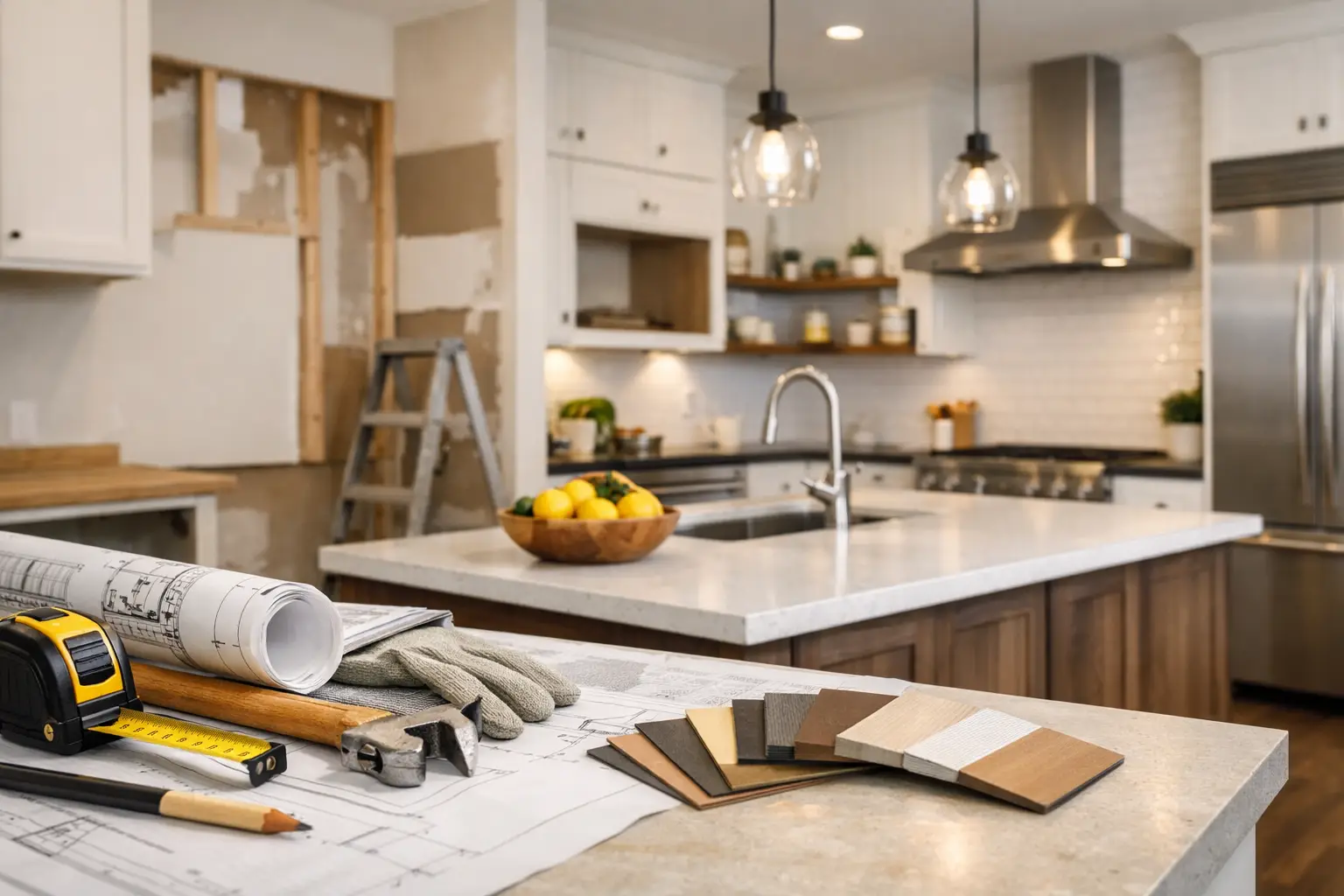
A kitchen remodel usually feels exciting right up until the moment real decisions start stacking up. Cabinet style, layout changes, appliance sizes, lighting plans, flooring transitions, permit questions, budget trade-offs – it adds up fast. A complete kitchen remodeling guide should do more than show pretty finishes. It should help you make smart choices that fit how your home actually works.
For homeowners in Sacramento, Roseville, Rocklin, Folsom, Granite Bay, Davis, and El Dorado Hills, the right remodel is rarely just about looks. It is about improving daily routines, creating better storage, opening up traffic flow, and investing in lasting value. A well-planned kitchen can make a home feel more functional, more comfortable, and more current without sacrificing durability.
What a complete kitchen remodeling guide should cover
The best kitchen remodels start before any demolition begins. Good planning protects your budget, reduces surprises, and helps the finished space feel intentional instead of pieced together. That means thinking through function first, then design, then construction details.
If your current kitchen feels cramped, dated, dark, or inefficient, the solution may not be a full layout overhaul. Sometimes new cabinetry, improved lighting, and smarter storage solve most of the problem. In other homes, walls need to shift, islands need to grow, and appliance placement needs a full reset. The right scope depends on what is not working now.
A complete remodel generally includes layout evaluation, cabinetry, countertops, backsplash, flooring, lighting, electrical updates, plumbing adjustments, appliances, paint, and finish selections. In older homes, it may also involve drywall repair, subfloor corrections, ventilation improvements, or code-related upgrades.
Start with how your kitchen needs to function
Before choosing finishes, take a close look at how the space performs every day. Think about where bottlenecks happen, where storage falls short, and what feels awkward. If two people cannot cook comfortably at the same time, if the refrigerator door blocks the walkway, or if there is never enough landing space near the range, those are design problems worth fixing.
Families often need different solutions than empty nesters or homeowners who entertain frequently. A household with school-age kids may benefit from a large island with seating, durable surfaces, and organized pantry storage. A homeowner who loves to cook may care more about prep zones, wider walkways, stronger ventilation, and professional-grade appliances.
This is where thoughtful remodeling matters. A kitchen should reflect your habits, not just a trend. Clean design is important, but livability is what makes the investment pay off over time.
Set a realistic budget before selections begin
Budgeting early keeps the project grounded. Without a clear investment range, it is easy to fall in love with materials and features that push the remodel out of reach. A realistic budget should account for both visible finishes and the hidden work behind them.
Cabinets often take the largest share, especially in full remodels. Countertops, appliances, flooring, and labor also carry significant weight. If plumbing or electrical systems need to be relocated or updated, costs rise further. Older Sacramento-area homes can bring added complexity, particularly when walls are opened and conditions behind them are no longer hypothetical.
It helps to separate your budget into three buckets: must-haves, strong preferences, and optional upgrades. That way, if pricing shifts during planning, you know where to protect quality and where to scale back. For example, homeowners may prioritize premium cabinetry and durable counters while choosing a simpler backsplash or keeping appliance locations unchanged.
A contingency is also wise. Renovation work can uncover issues that were not visible at the start, and planning for that upfront reduces stress later.
Layout decisions shape everything else
In any complete kitchen remodeling guide, layout deserves the most attention because it affects movement, storage, lighting, and overall comfort. A beautiful kitchen with a poor layout still feels frustrating.
Open-concept kitchens remain popular, but removing walls is not always the best move. Sometimes partial separation gives you better cabinet space and more functional zoning. In other homes, opening the kitchen to an adjacent dining or living area makes the whole floor plan feel brighter and more usable.
Island design is another common turning point. An island can add prep space, storage, seating, and a natural gathering spot, but only if the room can support proper clearance. Forcing an oversized island into a tight kitchen usually makes traffic worse, not better.
Appliance placement should feel intuitive. The sink, refrigerator, and cooking area need to work together without crowding each other. Walkways should allow family members to move through the kitchen without interrupting whoever is cooking. Small layout improvements often have an outsized effect on daily life.
Cabinets and storage are where function becomes visible
Most homeowners notice storage problems long before they think of them as design issues. That is why cabinetry deserves careful planning. Cabinet choice affects appearance, organization, and long-term durability.
Custom and semi-custom cabinets give more flexibility for awkward walls, specialized storage, and a tailored look. Stock cabinets can work in some remodels, but they may limit dimensions, finish options, and internal accessories. The right decision depends on your goals and how personalized the space needs to be.
Storage upgrades are often worth the investment because they improve everyday use. Deep drawers for pots and pans, pull-out trash solutions, tray dividers, spice storage, pantry organization, and appliance garages can all reduce clutter and make the kitchen feel calmer. Soft-close hardware, quality drawer construction, and durable finishes also matter more over time than many homeowners expect.
Choose materials for real life, not just first impressions
A kitchen takes daily wear, so materials should look good and hold up well. Countertops need to resist staining, heat, and heavy use. Flooring should handle foot traffic, spills, and cleaning without becoming a maintenance issue. Backsplash materials should be easy to wipe down and fit the style of the room without overpowering it.
Quartz remains a strong choice for many homeowners because it offers durability and a clean, consistent look. Natural stone has appeal too, but maintenance expectations should be part of the decision. Hardwood floors create warmth, while tile can offer added water resistance. There is no universal best material – only the best fit for your home, routine, and design priorities.
Finish selections should also be viewed together, not one by one. Cabinet color, countertop pattern, flooring tone, hardware finish, and lighting style need to feel cohesive. This does not mean everything should match exactly. It means the room should feel balanced.
Lighting, electrical, and ventilation deserve more attention
These details rarely drive the first design conversation, but they have a major impact on comfort and performance. A kitchen with poor lighting can feel underwhelming no matter how beautiful the finishes are.
Good kitchen lighting usually includes layers. Recessed lights support overall brightness, pendants add focus and style, and under-cabinet lighting improves task visibility. If the remodel includes updated appliances, added outlets, or new island seating, electrical planning needs to support those changes from the start.
Ventilation is just as important. A strong range hood helps control heat, grease, and cooking odors, especially in open layouts. In many remodels, ventilation is treated as an afterthought when it should be part of the core plan.
Understand the construction phase before work begins
One of the most valuable parts of a complete kitchen remodeling guide is knowing what the process will feel like once construction starts. This is where homeowner confidence often depends on communication.
During demolition and rebuild, your kitchen may be partially or fully unusable for a period of time. That affects meals, routines, and family schedules. Planning a temporary kitchen setup can make the disruption easier to manage.
You should also expect a sequence. Demolition comes first, then framing or structural work if needed, followed by rough plumbing, electrical, inspections, drywall, flooring, cabinetry, countertops, and finish installation. Timelines can shift based on product lead times, permit requirements, and site conditions. Clear expectations matter more than overly optimistic promises.
This is also where working with an experienced remodeling team makes a difference. Homeowners want craftsmanship, but they also want reliability, organized scheduling, and honest updates. That combination is a major part of what makes a renovation feel manageable instead of stressful.
Work with a remodeling partner who plans for the details
A successful kitchen remodel is rarely the result of good materials alone. It comes from thoughtful planning, precise execution, and a process that respects the homeowner’s time, budget, and vision. That is especially true in full-service projects where layout, finishes, construction, and communication all need to stay aligned.
For Sacramento-area homeowners, local experience matters too. Homes in this region vary widely in age, layout, and remodeling history, which means the right approach is not always obvious at first glance. A dependable remodeling partner can help you weigh trade-offs, avoid costly missteps, and create a kitchen that feels tailored to your home instead of borrowed from a showroom.
Everest Home Solutions approaches kitchen remodeling with that mindset – combining design insight, transparent pricing, premium materials, and a homeowner-first process built around quality work.
The best kitchen is not the one with the most upgrades. It is the one that makes your mornings easier, your evenings more comfortable, and your home feel like it fits you again.